Curtis Steiner
A Queer Light
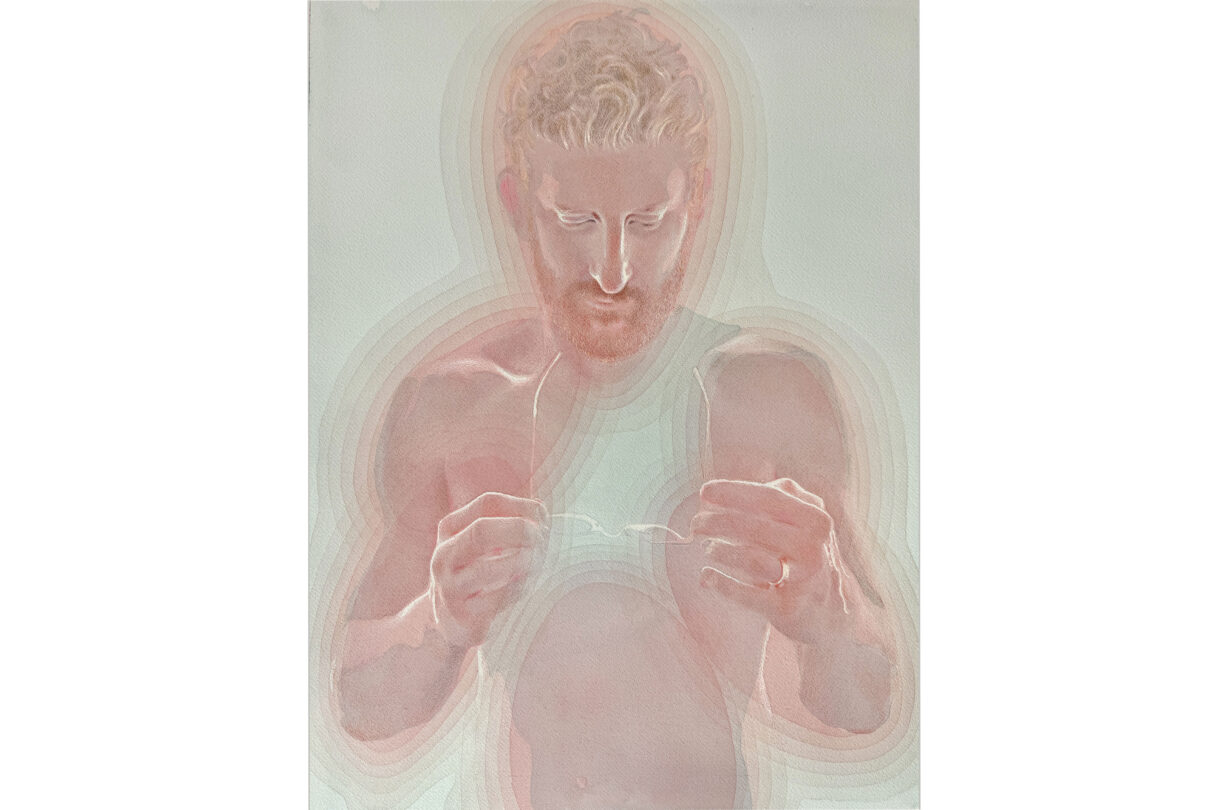
In A Queer Light, Curtis Steiner turns toward the deeply personal, using painting as both witness and resistance. Created over the last year and a half, this new body of work emerges from a period marked by profound emotional upheaval: the end of a long-term relationship, the experience of re-entering single life at sixty, and the growing sense of political instability and cultural regression in America. The result is a series of works that are at once an intimate diary, queer manifesto, and a meditation on survival.
Steiner describes himself as having been “brokenhearted by lover and country,” and the exhibition lives within that tension. The paintings chronicle heartbreak, loneliness, desire, healing, and reinvention while confronting the broader sociopolitical climate threatening LGBTQ+ visibility and rights. For Steiner, these realities are inseparable. The personal becomes political; the political becomes deeply personal.
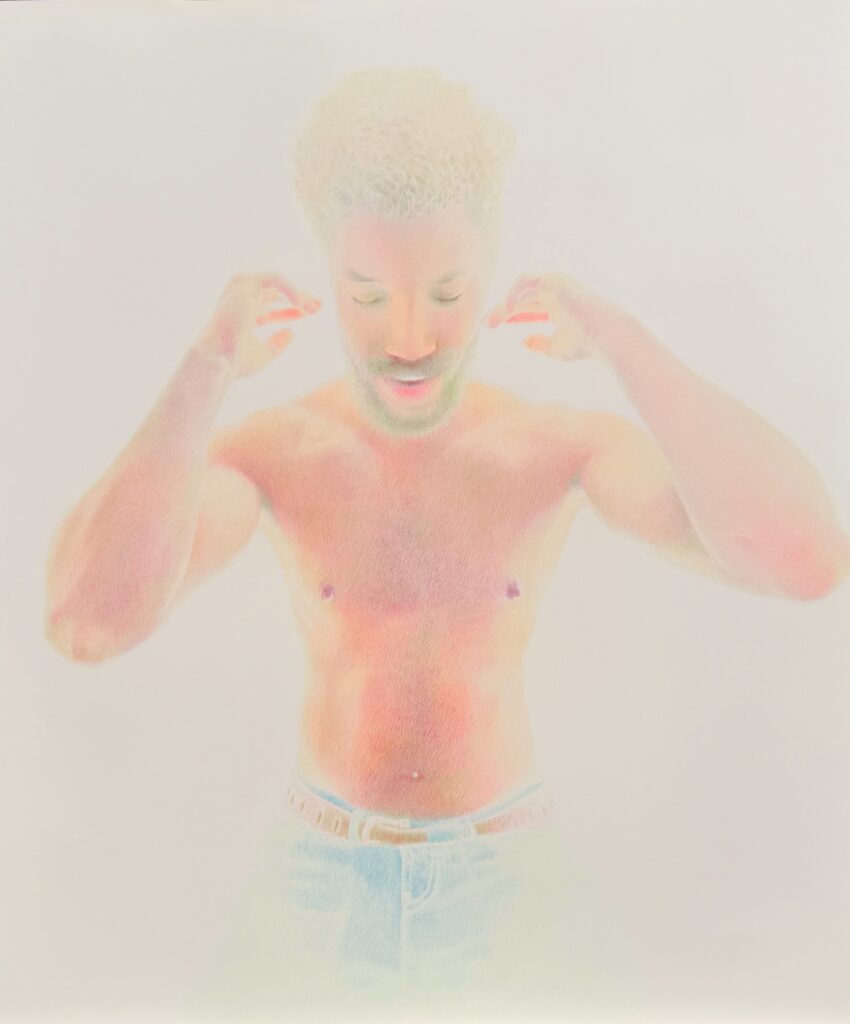
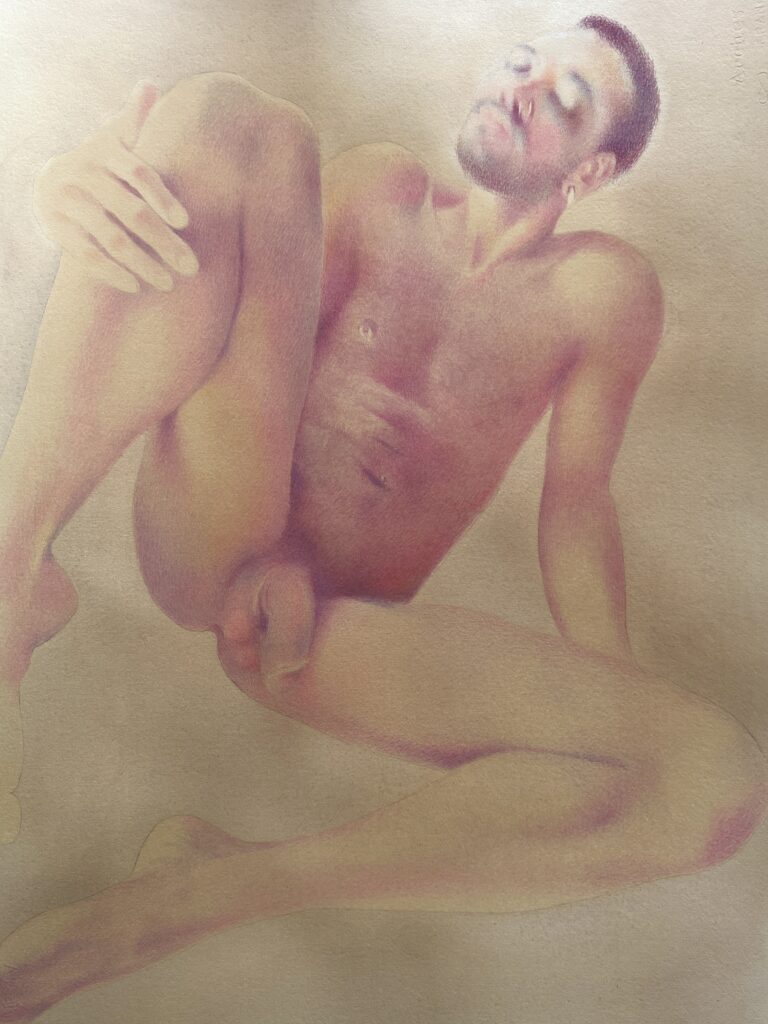
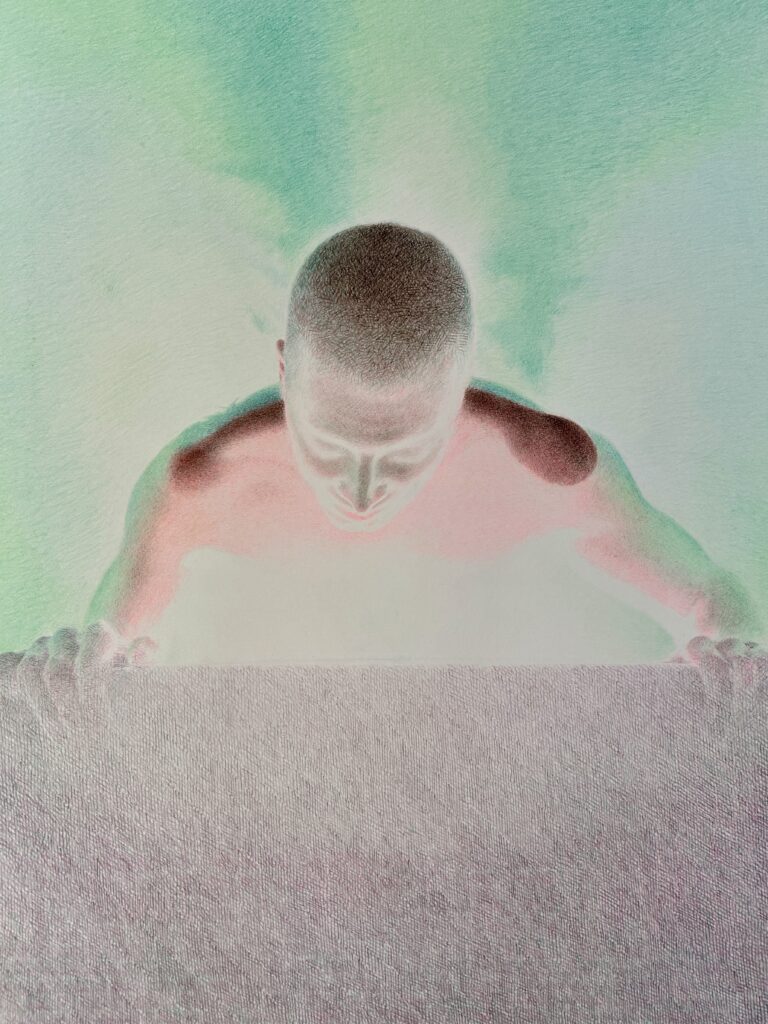
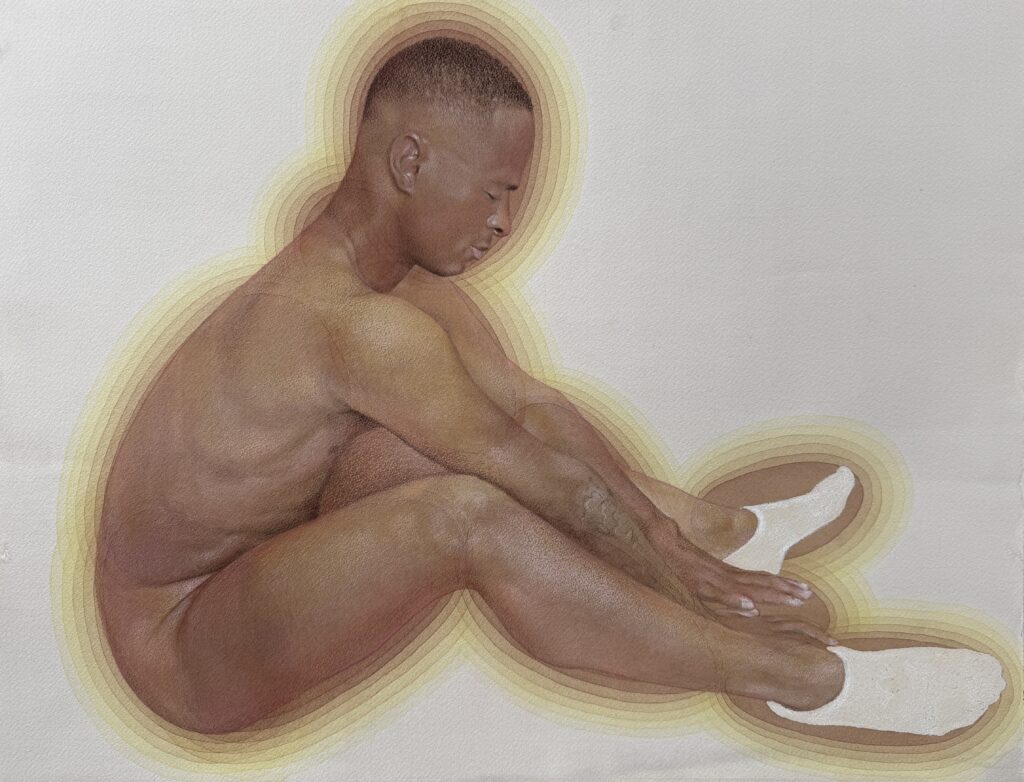
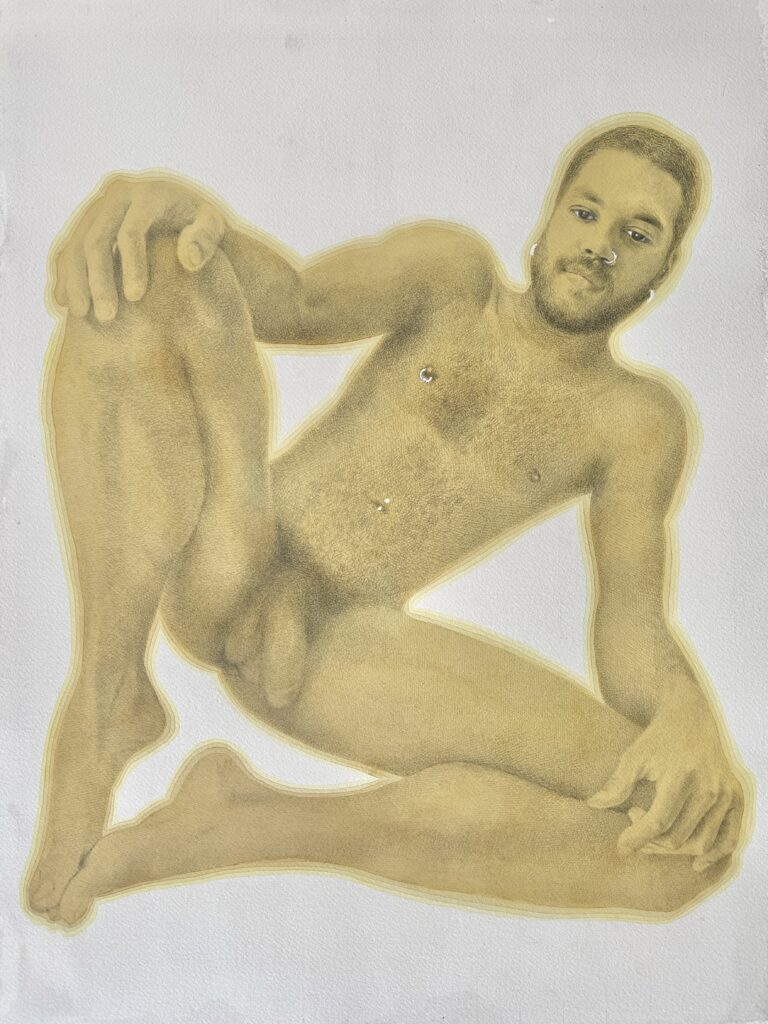
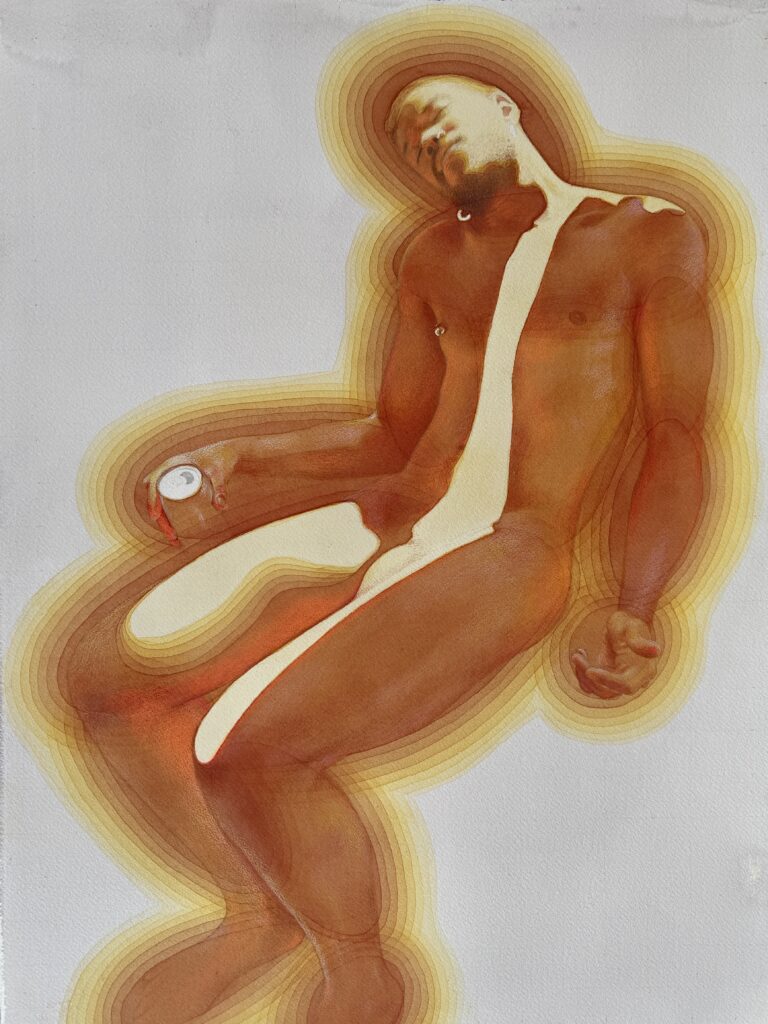
At the center of A Queer Light is the act of seeing queer life clearly and unapologetically. Steiner’s subjects—lovers, companions, fleeting intimacies, and moments of tenderness—are rendered not as symbols or stereotypes, but as luminous and complex human beings. His figures often appear haloed, suspended somewhere between mortal and divine. Drawing from traditions of classical figurative painting while informed by years devoted to abstraction, Steiner creates portraits that oscillate between realism and emotional atmosphere. Light becomes metaphor: illumination, revelation, sanctification.
The exhibition also confronts assumptions surrounding aging and sexuality. A gay man living with HIV for more than forty years, Steiner reflects candidly on what it means to age within queer culture while still experiencing vitality, sensuality, and connection. Rather than retreating from visibility, the work insists upon it. These paintings celebrate queer intimacy and the beauty of bodies, affection, and desire at every stage of life. In this sense, joy itself becomes a form of resistance.
Steiner’s shift toward representational painting marks an important evolution in his practice. After years focused on abstraction, he now embraces realism as a means of pursuing emotional and political truth. In a moment he describes as one that “demands a strong response,” art becomes an assertion of presence and humanity. To depict queer life openly—sensual, vulnerable, aging, loving—is itself a political act.
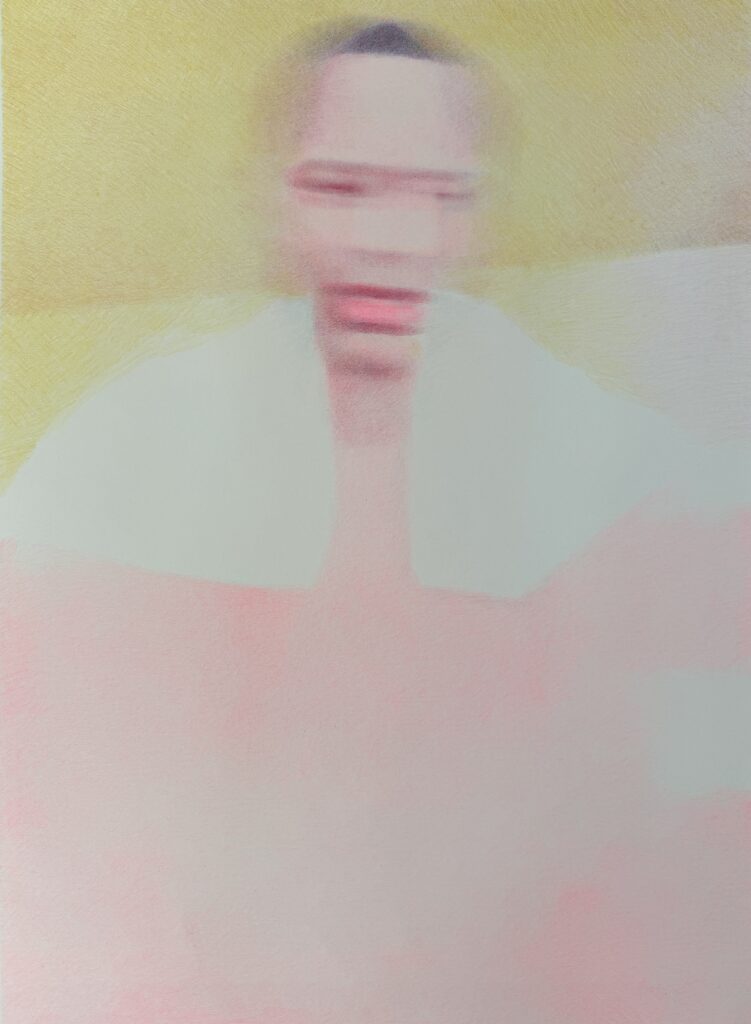
The twenty-one portraits in A Queer Light search for tenderness amidst fear and transcendence amidst grief. They ask what it means to continue loving, creating, and connecting during uncertain times. Ultimately, the exhibition is an affirmation: of queer visibility, of resilience, and of the enduring necessity of beauty, intimacy, and truth.






-
About
Curtis Steiner - view profile
Curtis Steiner is an autodidactic polymath based in Seattle, WA. He is a master gardener, calligrapher, and artist. His luminous watercolors cast color and form as abstract protagonists in the midst of transformation. Soft forms swell, breach and accommodate the cavities around them, like lungs filling with air, or aquifers releasing water, in a waltz of scarcity and abundance. Informed by his calligraphy practice, Steiner’s renderings contrast precision and gesture to make the ephemeral concrete, a cloud between blinks, or a cellular exchange hidden from view. Their saturated totemic forms recall Tantric Paintings from Rajasthan, rich elemental voids to contemplate the infinite, suspended bridges to the sublime. Steiner establishes compositional parameters that generate ensuing forms, echoing parametric architecture’s pursuit of complex systems-driven geometry. Despite their meticulous abstract nature, these deliberate and organic forms suggest a human allegory. How do two individuals relate to and transform one another? What energy emerges when a couple collides?