Don Scott
Mind Games
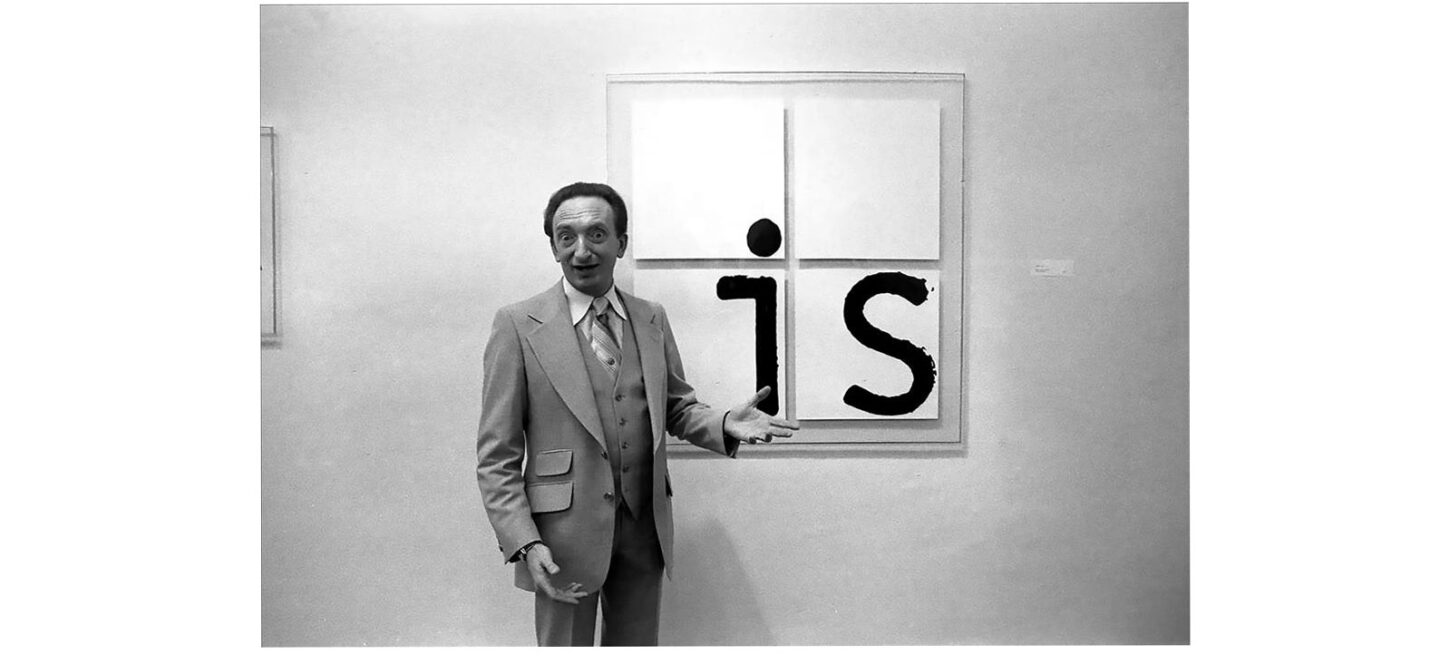
Traver Gallery is pleased to present Mind Games, a special exhibition examining the life, work, and ideas of Don Scott (1932-1985). Curated by Bill Traver and Sheila Farr.
Don Scott was a formative figure in the Seattle arts community from the early 1960s until his death in 1985. A gallery owner, teacher, artist, and independent thinker, Scott helped push the city toward a more experimental, idea-driven art culture.
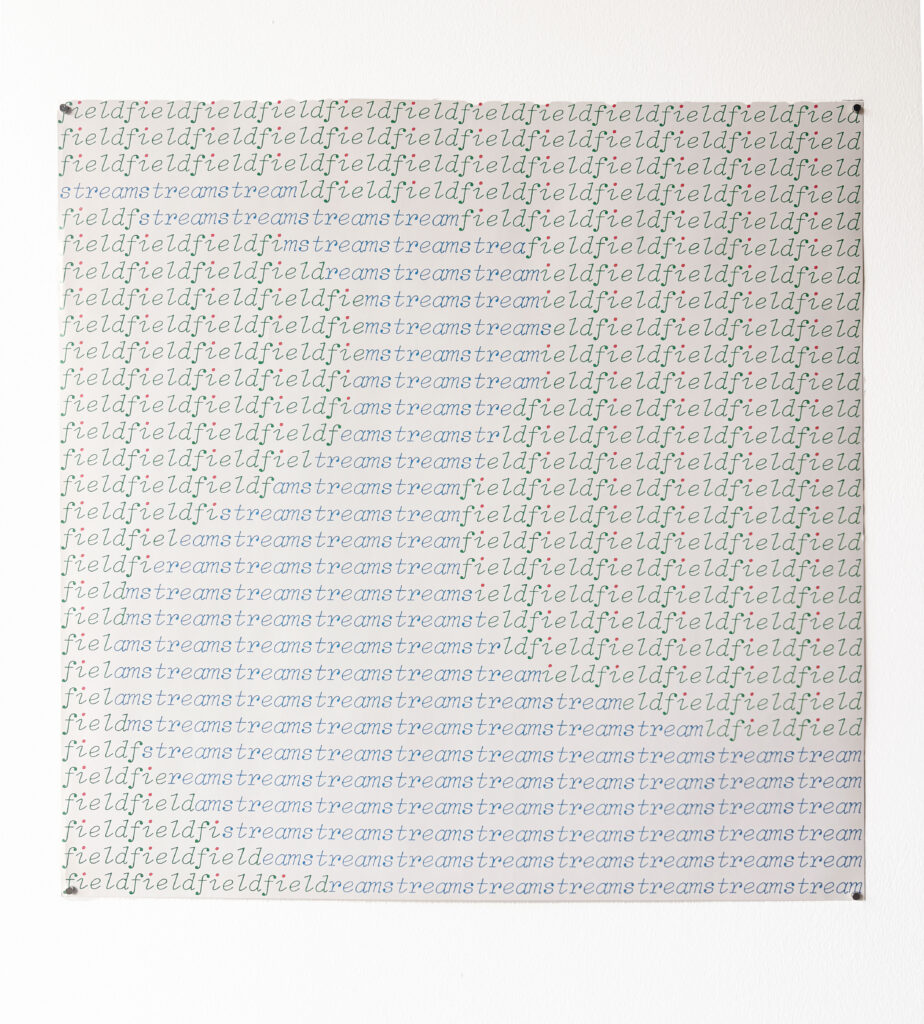
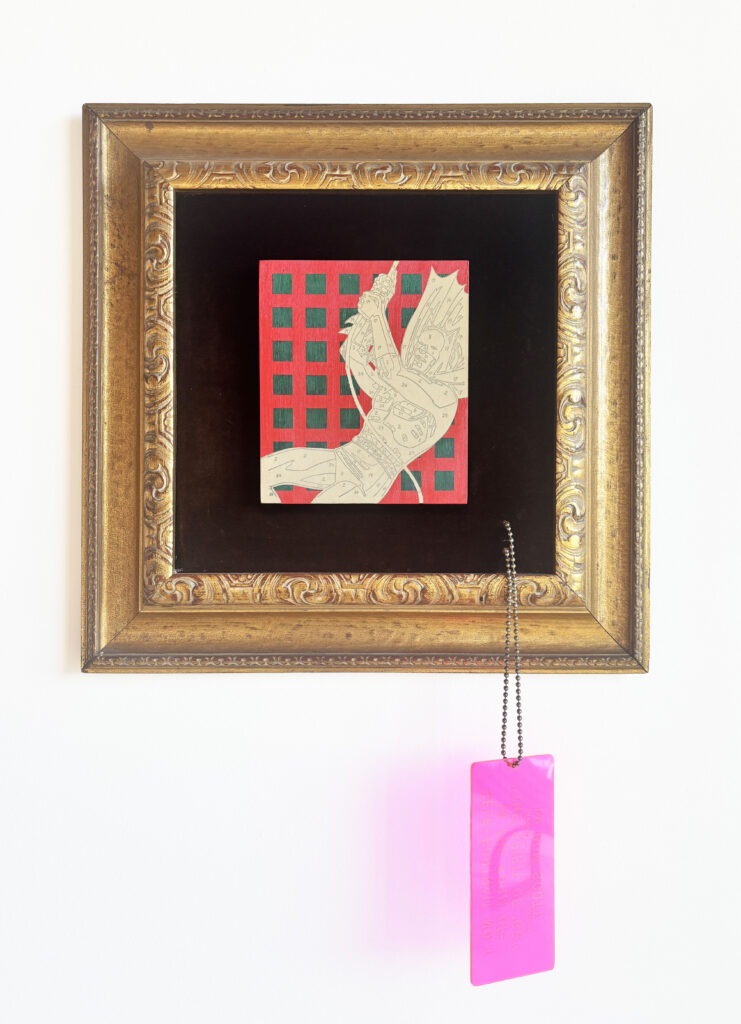
The exhibition brings together graphic design projects, neon, limited-edition boxed books of visual and verbal poetry, exhibition posters, paintings, and key works from Scott’s benchmark series. The show features work from the artist’s collection, with additional loans from Anne Focke, Pennie Pickering, and Richard Hines.
While an undergraduate at the University of Washington, Scott organized Seattle’s first “happening” at the Seattle Center and worked as a curatorial assistant at the Seattle Art Museum. After graduating in 1963, he opened Scott Gallery, which quickly became the most progressive gallery in the region. Alongside exhibitions of artists such as Leo Kenney, Frank Okada, Margaret Tompkins, and Spencer Moseley, Scott staged interdisciplinary events that combined experimental film, jazz, chamber music, theater, poetry, and performance. Though the gallery lasted only two years, its influence was outsized.
Scott went on to teach design and art history at Cornish College of the Arts, where his unconventional assignments and insistence on critical thinking left a deep impression on his students. When Scott resigned following a dispute with the administration, several students, including Bill Traver, paid Scott’s tuition so he could enroll as a student and continue teaching them independently. As a teacher, he played a pivotal role in shaping a generation of artists and future arts leaders, including cementing a lasting connection between Scott and Bill Traver. Traver credits Scott with helping him formulate the philosophy that would shape Traver Gallery’s direction.
In 1966, Scott traveled to Kandahar, Afghanistan, where he created a large-scale environmental mural inside his living space. Painted in response to shifting sunlight patterns on the walls, ceiling, and arches, the work marked a turning point in his thinking. Scott described the project as a personal revelation, rooted in perception, time, and lived experience. The mural, along with his published account of the journey, expanded his practice beyond objects toward systems, environments, and awareness.
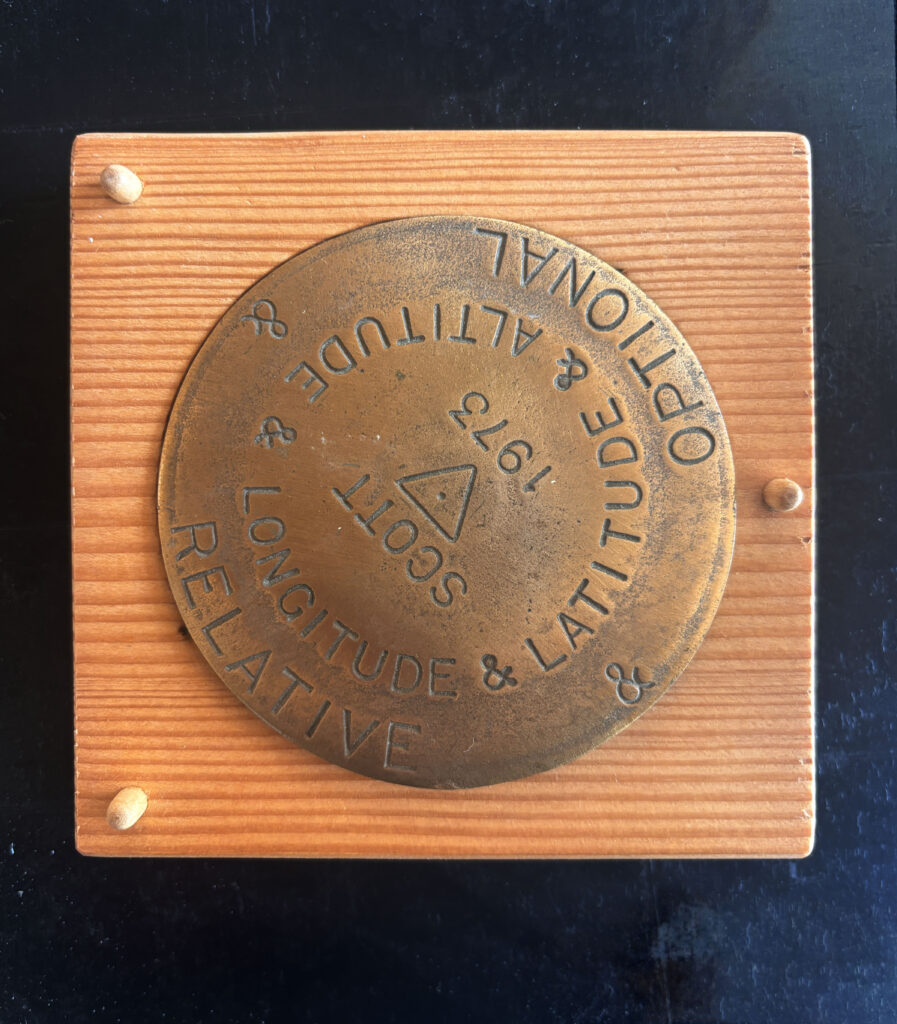
Throughout the 1970s, Scott developed word-based works, handmade books, and the bronze “benchmark,” a recurring form that replaced geographic coordinates with conceptual markers such as “Optional” and “Relative.” These works reflected his growing interest in global systems and were influenced by the thinking of Buckminster Fuller.
Scott exhibited at Traver Gallery multiple times, including a one-person exhibition in 1978 and a later exhibition of his benchmark installations, marking key moments in his career.
Although Scott’s work resisted easy categorization or commercial success, his impact on Seattle was lasting. He shaped artists, institutions, and conversations, and helped establish an experimental lineage that continues to inform the city’s cultural landscape. This exhibition recognizes Don Scott not only as an artist but as a teacher, instigator, and guiding influence behind Traver Gallery’s origins. We are honored to share this exhibition with you in recognition of Don Scott’s life, work, and legacy.
*This exhibition text draws on research by Sheila Farr, “Scott, Don (1932–1985),” published by HistoryLink (2024). https://www.historylink.org/File/23044